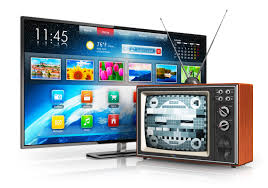
The shift from analog television to modern digital flat-screen TVs demonstrates both the benefits and liabilities of digitization. Digital TVs provide clearer picture quality, better sound, internet connectivity, and access to streaming services that allow people to watch content instantly from anywhere. From a technological perspective, digitization improved efficiency and communication by combining television, computers, and the internet into one device. From a social and psychological perspective, however, there are also drawbacks. Pre-digital television was more limited, which often encouraged people to spend less time consuming media and more time engaging socially or physically with the world around them. Today, constant access to streaming platforms and personalized algorithms can increase screen addiction, shorten attention spans, and create echo chambers where people only consume content that reinforces their beliefs. Economically, digital TVs and streaming services also create inequality because not everyone can afford the newest technology or reliable internet access. Overall, I believe digital television has greatly improved accessibility, entertainment, and communication, but society must balance these benefits with awareness of the psychological, social, and economic consequences of constant digital media consumption.