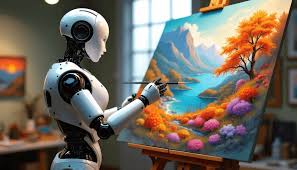
A digital representation of an object or concept allows something physical or natural to be recreated, stored, and shared through technology, but it is not exactly the same as the original object. One thing gained through digital representation is accessibility and innovation because digital objects can be copied, edited, shared instantly, and used in new ways that physical objects cannot. For example, digital art can reach millions of people online, and companies can digitally represent natural objects like forests to create new forms of value and better manage resources. However, something is also lost in the process because digital versions often remove the human, physical, and emotional qualities of the original. We talked a lot about art and how AI-generated art can make creativity feel less human since a machine can produce images quickly without the same personal experience, emotion, or effort as a human artist. Natural objects also have characteristics like unpredictability, pace, and connection to the physical world that are difficult to fully capture digitally. While digital representation increases efficiency and access, it can also blur the boundaries between real and artificial experiences, making some people feel that authenticity and human creativity are being reduced.